Empowering Independence: How Daily Living Support Enhances Quality of Life
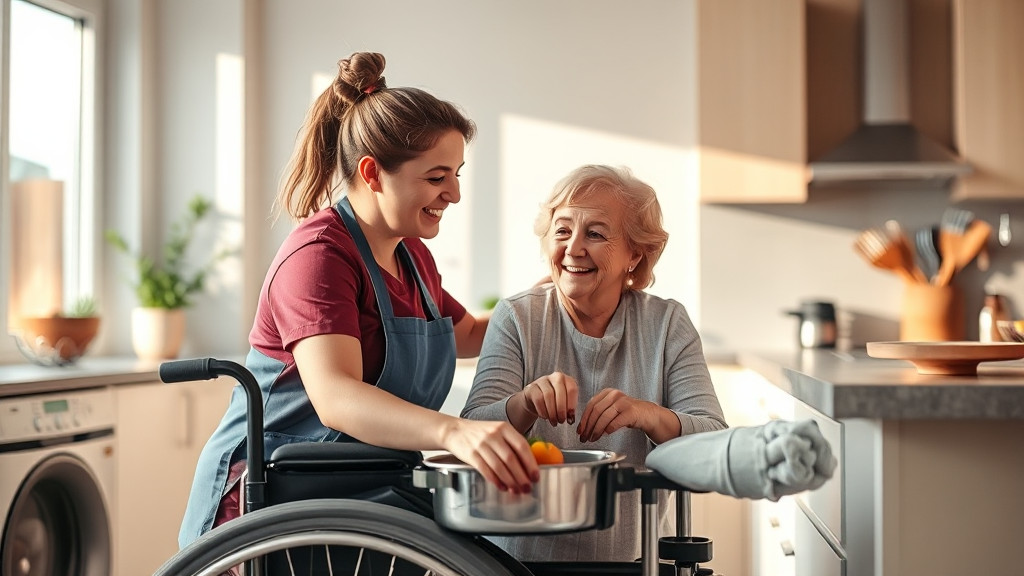
Empowering Independence: How Daily Living Support Enhances Quality of Life

Daily living support is more than just assistance with everyday tasks—it is a pathway to independence, dignity, and community participation for individuals with disabilities. Whether it is help with personal care, meal preparation, or accessing local services, Daily Living Support enables people to live life on their own terms. In Australia, the National Disability Insurance Scheme (NDIS) provides funding for such supports, allowing participants to choose services that best meet their needs. This article explores the transformative impact of daily living support, the types of assistance available, and how to access these vital services through a registered provider.

Understanding Daily Living Support Under the NDIS

The NDIS recognizes that everyday activities can become challenging for people with disability. Daily living support encompasses a wide range of assistance designed to help individuals develop skills, maintain their home, and engage with their community. This includes support with self-care, household tasks, and social participation. A NDIS Provider can deliver these services in a flexible manner, aligned with the participant’s goals and preferences.

For many, the goal is to live as independently as possible. That is why the NDIS funds supports under categories such as Assistance with Daily Life, which covers help with daily tasks both at home and in the community. This can range from short-term assistance to ongoing support, depending on individual circumstances. Importantly, these services are not just about completing tasks; they are about building confidence and capability.

Types of Daily Living Support Services

Daily living support can be tailored to suit each person’s unique needs. Some of the common services include:

  • Personal Care: Assistance with bathing, dressing, grooming, and toileting. This ensures that personal hygiene is maintained with respect and dignity.
  • Meal Preparation: Help with planning and cooking nutritious meals, taking into account dietary requirements and preferences.
  • Household Tasks: Support with cleaning, laundry, and other domestic duties to maintain a safe and comfortable living environment.
  • Community Participation: Accompanying individuals to social events, appointments, or recreational activities to foster inclusion.
  • Skill Development: Teaching life skills such as budgeting, using public transport, or cooking, with the aim of increasing independence.

These services are often provided by a Registered NDIS provider, ensuring that support workers are trained and qualified to meet the needs of participants.

The Role of a Registered NDIS Provider

Choosing the right provider is crucial for receiving high-quality daily living support. A Provider Melbourne like Caring Hearts offers a person-centered approach, where the participant is at the heart of all decisions. They work closely with individuals and their families to develop a support plan that aligns with their goals and aspirations.

Registered providers are audited by the NDIS Quality and Safeguards Commission, ensuring they meet strict standards of safety and quality. This provides peace of mind for participants and their families, knowing that the support they receive is reliable and professional. Moreover, registered providers often offer a wider range of services, including Disability Care Services such as therapy and accommodation support.

Supported Independent Living and Accommodation

For individuals who require more intensive support, Supported Independent Living (SIL) offers a home-like environment where 24/7 assistance is available. SIL is designed for people who need help with daily tasks but want to live in a shared or individual home rather than in a residential institution. This model promotes independence while ensuring safety and well-being.

Accommodation is a key component of daily living support. Providers like Caring Hearts offer Specialised Disability Accommodation that is accessible and adapted to individual needs. This can include modifications such as ramps, hoists, or smart home technology to enable greater independence.

Short-term and medium-term accommodation (STA and MTA) are also available for participants who need temporary housing, such as during a family emergency or when transitioning to a new home. These services provide a safe and supportive environment while longer-term solutions are arranged.

Personal Care and Health-Related Support

Personal care is a fundamental aspect of daily living support. It includes help with activities that are essential for health and well-being. A trained support worker can provide Personal Care in a sensitive and respectful manner, ensuring the individual’s comfort and dignity. NDIS Daily Living

In addition to personal care, many participants require assistance with health-related tasks such as medication management, wound care, or using medical equipment. Providers can offer High Intensity Care for those with complex needs, delivered by nurses or skilled support workers. This ensures that individuals with significant health conditions can live safely at home rather than in an institution.

Community Participation and Social Inclusion

Daily living support extends beyond the home. Community participation is vital for mental health and social well-being. Support workers can assist individuals to join clubs, attend classes, or simply enjoy a day out. This is known as NDIS Community Participation Social support, and it helps people build friendships and develop social skills.

Providers like Caring Hearts offer Community Participation Support that is goal-oriented, encouraging participants to explore their interests and engage with their local community. This may include volunteering, sports, or other recreational activities. Such support not only enhances quality of life but also fosters a sense of belonging.

Allied Health and Therapeutic Services

In addition to daily living assistance, many participants benefit from allied health services. These therapies aim to improve functional abilities and overall well-being. A comprehensive provider may offer Psychological Support to address mental health issues, as well as NDIS Allied Health Services such as physiotherapy and occupational therapy.

For example, an occupational therapist can assess a person’s home environment and recommend modifications or equipment to make daily tasks easier. A physiotherapist can develop an exercise program to improve strength and mobility. These services are often provided in the participant’s home or at a clinic, depending on the provider’s setup.

Some providers also offer Day Programs that combine social activities with therapy and skill-building. These programs are held in a supportive environment, often at a Fitness Centre or community hub, and provide structured opportunities for learning and interaction.

Respite Care and 24-Hour Support

Family caregivers often need a break, and Respite Care provides temporary relief. This can be for a few hours or several days, allowing caregivers to rest or attend to other matters. Respite can be provided in the home or at a dedicated facility, giving the participant a change of scenery and a chance to engage with new people.

For those who require constant assistance, 24-hour care / disability support is available. This ensures that help is always on hand, day or night. This type of support is essential for individuals with high support needs or those who live alone and require supervision.

Support Coordination and How to Access Services

Navigating the NDIS can be complex, but NDIS Support Coordination can help. A support coordinator works with participants to understand their plan, find suitable providers, and manage their supports. They are experts in the NDIS and can provide guidance on how to use the funding effectively.

To access daily living support, the first step is to have an NDIS plan that includes funding for assistance with daily life. If you already have a plan, you can contact a provider like Caring Hearts to discuss your needs and arrange a service agreement. They will work with you to develop a support schedule that fits your lifestyle.

The Importance of Allied Health in Daily Living

Allied health professionals play a crucial role in enabling daily living. Their expertise helps participants overcome barriers and achieve their goals. For example, Physiotherapy can improve balance and coordination, reducing the risk of falls. Occupational Therapy can teach new ways to perform daily tasks or recommend adaptive equipment. Speech Pathology can assist with communication difficulties, which is essential for social interaction and expressing needs. (Dandenong)

Mental health is equally important. Psychology/Counselling provides emotional support and strategies to cope with challenges. Exercise Physiology develops personalized exercise programs that improve physical health and energy levels. With the advent of technology, Telehealth services have become increasingly popular, allowing participants to access these therapies from the comfort of their home.

For younger participants, pediatrics services are available. These are specialized supports for children and adolescents with disability, focusing on early intervention and developmental milestones. Early support can make a significant difference in a child’s development and long-term outcomes.

Choosing the Right Provider

When selecting a provider for daily living support, it’s essential to consider factors such as experience, reputation, and the range of services offered. A provider like Caring Hearts, based in Dandenong, has a team of skilled professionals who are committed to delivering personalized care. They understand that each participant is unique and require a tailored approach.

It is also important to ensure that the provider is registered with the NDIS and complies with all regulations. This guarantees that the services meet the required standards and that your rights are protected. You can check the NDIS provider register to verify a provider’s status.

Frequently Asked Questions (FAQ)

What is daily living support under the NDIS?

Daily living support refers to assistance with everyday activities such as personal care, household tasks, and community participation. It is funded under the NDIS to help participants live independently and achieve their goals.

How do I access daily living support?

First, you need an NDIS plan that includes funding for assistance with daily life. Then, you can contact a registered provider like Caring Hearts to discuss your needs and arrange a service agreement.

Can I choose my own support worker?

Yes, many providers allow you to have input into the selection of your support worker. You can request a worker who matches your personality and needs, ensuring a comfortable and effective relationship.

Is daily living support available 24/7?

Yes, for those who require constant assistance, providers offer 24-hour care / disability support. This ensures that help is available at any time, day or night.

What is the difference between SIL and STA?

Supported Independent Living (SIL) is long-term accommodation with daily support, while Short-Term Accommodation (STA) is temporary housing for a few days or weeks, often for respite or transitional purposes.

Conclusion

Daily living support is essential for enabling individuals with disability to lead fulfilling, independent lives. From personal care and community participation to allied health and accommodation, these services cover every aspect of daily existence. By partnering with a trusted NDIS Provider like Caring Hearts, you can access the support you need to thrive. Remember, the right support can make all the difference in achieving your goals and living the life you want.


The Art of Self-Care: How to Find the Best Beauty Tips for Your Skin and Soul

The Art of Self-Care: How to Find the Best Beauty Tips for Your Skin and Soul

In a world that moves at breakneck speed, taking time for yourself is not a luxury—it’s a necessity. And while many people associate beauty with makeup or expensive treatments, true beauty radiates from within. Whether you’re a wellness enthusiast or someone just starting your self-care journey, learning to find the best beauty tips can transform not only your appearance but also your overall well-being. This guide goes beyond surface-level advice, diving into holistic practices that nurture your skin, mind, and spirit.

Why Beauty and Wellness Are Inseparable

Beauty is often viewed as a superficial pursuit, but the connection between how you look and how you feel is deeply rooted in science. Stress, lack of sleep, and poor nutrition all show up on your face—dull skin, dark circles, and fine lines. Conversely, when you prioritize your mental and physical health, your natural glow shines through. This is why the most effective beauty routines are built on a foundation of wellness.

Instead of chasing the latest fad, focus on habits that support your body from the inside out. Hydration, balanced nutrition, and regular exercise are just as important as your skincare products. By adopting a holistic approach, you’ll not only look better but also feel more energized and confident. And when you’re ready to explore new techniques, taking the time to find the best beauty tips ensures you’re investing in methods that truly work.

The Power of a Consistent Skincare Routine

One of the most common mistakes people make is switching products too frequently or expecting overnight results. Your skin has a natural cycle of about 28 days, so consistency is key. A simple routine—cleanse, moisturize, and protect with SPF—is the backbone of healthy skin. But to elevate your routine, you need to understand your skin type and its unique needs.

For example, if you have dry skin, look for hydrating ingredients like hyaluronic acid and ceramides. Oily skin benefits from niacinamide and salicylic acid to regulate sebum production. Sensitive skin requires fragrance-free, soothing formulas with aloe or chamomile. Once you’ve identified your skin’s needs, you can build a routine that delivers results. Remember, the goal is to enhance your natural beauty, not to mask it.

Nutrition: The Inside-Out Approach to Beauty

You’ve probably heard the saying, “You are what you eat,” and it couldn’t be more accurate when it comes to beauty. Your skin is a reflection of your diet. Foods rich in antioxidants, vitamins, and healthy fats can help combat inflammation, boost collagen production, and keep your skin supple. Incorporate a rainbow of fruits and vegetables, lean proteins, and omega-3 fatty acids from sources like salmon and walnuts.

Don’t forget the importance of water. Dehydration can make your skin look tired and accentuate fine lines. Aim to drink at least eight glasses a day, and consider adding herbal teas or water-rich foods like cucumber and watermelon. When your body is well-nourished, it shows in your complexion. And as you refine your dietary habits, you’ll naturally find the best beauty tips that align with your lifestyle.

Mindful Practices That Enhance Your Glow

Stress is a silent saboteur of beauty. When you’re stressed, your body produces cortisol, which can lead to breakouts and premature aging. That’s why incorporating mindfulness into your daily routine is essential. Meditation, deep breathing exercises, and even a short walk in nature can lower stress levels and improve your overall appearance.

Yoga, in particular, is a powerful tool for beauty. It improves circulation, which delivers oxygen and nutrients to your skin cells. Poses like the camel pose (Ustrasana) open up the chest and throat, promoting a healthy glow. Additionally, yoga helps regulate hormones, which can reduce acne flare-ups. By making mindfulness a priority, you’re not just caring for your skin—you’re caring for your soul.

Sleep: Your Beauty Superpower

They call it “beauty sleep” for a reason. During deep sleep, your body repairs itself, producing new skin cells and collagen. Lack of sleep can lead to puffy eyes, dark circles, and a dull complexion. To maximize your beauty sleep, establish a relaxing bedtime routine. Avoid screens for at least an hour before bed, keep your room cool and dark, and consider using a silk pillowcase to reduce friction on your skin.

Consistency is crucial. Try to go to bed and wake up at the same time every day, even on weekends. This helps regulate your body’s internal clock, making it easier to fall asleep and wake up refreshed. When you wake up after a restful night, you’ll notice a visible difference in your skin’s brightness and firmness.

Natural Remedies: Simple and Effective

While there’s no shortage of high-tech skincare products, sometimes the best solutions are found in your kitchen. Natural ingredients like honey, turmeric, and aloe vera have been used for centuries for their beauty benefits. A honey mask can hydrate and soothe, while turmeric’s anti-inflammatory properties can brighten the skin. Aloe vera is perfect for calming irritation and sunburn.

However, it’s important to use these remedies safely. Always do a patch test before applying anything new to your face, and consult a dermatologist if you have sensitive skin or allergies. Natural doesn’t always mean gentle, but when used correctly, these ingredients can be powerful additions to your beauty arsenal.

Frequently Asked Questions

How often should I exfoliate my skin?

Exfoliation removes dead skin cells and promotes cell turnover, but overdoing it can damage your skin barrier. For most skin types, exfoliating 1–2 times a week is sufficient. If you have sensitive skin, opt for a gentle chemical exfoliant like lactic acid and limit it to once a week.

Can I improve my skin without expensive products?

Absolutely. A consistent routine with basic products—cleanser, moisturizer, and sunscreen—is more effective than a cabinet full of expensive items. Additionally, lifestyle factors like hydration, sleep, and stress management play a huge role in your skin’s health.

What is the best way to apply sunscreen?

Use a broad-spectrum sunscreen with at least SPF 30, and apply it as the last step of your morning skincare routine. Be generous—use about a teaspoon for your face and neck. Reapply every two hours if you’re outdoors, and don’t forget areas like your ears and the back of your neck.

How do I find beauty tips that work for my specific skin type?

The key is to understand your skin type and its needs. Consult a dermatologist or do a simple at-home test to determine if you have oily, dry, combination, or sensitive skin. Once you know that, you can research ingredients and products that are best suited for you. Also, remember that what works for others may not work for you, so be patient and give products time to show results.

Conclusion: Your Journey to Radiant Beauty Starts Now

Beauty is not a destination—it’s a lifelong journey of self-discovery and care. By combining a consistent skincare routine, mindful practices, proper nutrition, and adequate sleep, you can achieve a glow that comes from deep within. Remember that the most important thing is to be kind to yourself and celebrate your unique beauty. As you continue to find the best beauty tips, keep an open mind and enjoy the process. Your skin—and your soul—will thank you.

Readers who are interested in this topic will benefit from exploring multiple perspectives and understanding the nuanced approaches that industry leaders recommend. Taking time to research thoroughly ensures better outcomes and more informed decision-making.

Those looking to gain deeper knowledge in this area should consider following expert analysis, staying updated with the latest developments, and engaging with professional communities where these topics are discussed in detail.

A comprehensive understanding of this subject requires looking at both theoretical foundations and practical applications. By combining study with hands-on experience, learners can develop a well-rounded perspective that serves them well in real-world scenarios.

As the landscape continues to shift and evolve, staying informed about emerging trends and best practices becomes increasingly valuable. This ensures you remain competitive and capable of adapting to new challenges as they arise.

마운자로 후기: 실제 경험자가 말하는 효과와 부작용 관리법

마운자로 후기: 실제 경험자가 말하는 효과와 부작용 관리법

최근 체중 감량과 혈당 조절을 위해 마운자로 후기를 찾는 사람들이 부쩍 늘었습니다. 마운자로는 GLP-1 계열 주사제로, 식욕 억제와 포만감 증가에 효과적인 것으로 알려져 있습니다. 하지만 모든 약이 그렇듯 마운자로 역시 다양한 부작용을 동반할 수 있습니다. 이 글에서는 실제 사용자들의 마운자로 후기를 바탕으로 효과와 부작용, 그리고 이를 관리하는 방법에 대해 자세히 알아보겠습니다.

마운자로란 무엇인가?

마운자로는 티르제파타이드 성분의 GLP-1 수용체 작용제로, 주 1회 피하 주사로 투여합니다. 원래 제2형 당뇨병 치료제로 개발되었지만, 뛰어난 체중 감량 효과로 인해 비만 치료에도 널리 사용되고 있습니다. 마운자로는 식욕을 억제하고 위 배출 속도를 늦춰 포만감을 오래 유지시켜 줍니다. 많은 사람들이 마운자로 처방을 고려할 때 효과뿐만 아니라 부작용에 대한 우려도 함께 갖게 됩니다.

마운자로 후기: 실제 효과는?

다이어트 목적으로 마운자로를 사용한 사람들의 후기를 종합해 보면, 대부분 체중 감량 효과에 만족감을 표현합니다. 특히 식욕이 확연히 줄어들고, 폭식이나 야식 욕구가 감소했다는 이야기가 많습니다. 한 사용자는 “처음 4주 만에 4kg이 빠졌고, 허리 둘레가 눈에 띄게 줄었다”고 전했습니다. 또 다른 사용자는 “기존 다이어트는 굶는 느낌이 강했지만, 마운자로는 자연스럽게 덜 먹게 되어 스트레스가 적었다”고 말합니다. 마운자로 메스꺼움

하지만 모든 사용자가 동일한 효과를 보는 것은 아닙니다. 어떤 사람은 식욕 억제 효과가 미미하다고 느끼기도 하며, 용량을 높인 후에야 효과를 경험하기도 합니다. 따라서 마운자로는 개인차가 크므로 의사와 상담 후 적절한 용량을 찾는 것이 중요합니다.

마운자로 부작용: 실제 경험담

마운자로 후기에서 가장 많이 언급되는 부작용은 위장관계 증상입니다. 마운자로 부작용 GLP-1 부작용 마운자로 후기 마운자로 처방 마운자로 메스꺼움 마운자로 울렁거림 마운자로 소화불량 마운자로 변비 마운자로 구토 마운자로 설사 마운자로 위장장애 마운자로 탈모 마운자로 머리빠짐 마운자로 노화 닥터JM 닥터제이엠 마운자로 얼굴 마운자로 오젬픽페이스 마운자로 살처짐 마운자로 피로감 마운자로 무기력 마운자로 근손실 마운자로 불면증 마운자로 부기 이처럼 다양한 부작용이 보고되고 있습니다. 특히 용량을 빠르게 증량할수록 부작용이 심해질 수 있습니다.

메스꺼움과 울렁거림

가장 흔한 부작용은 메스꺼움과 울렁거림입니다. 많은 사용자들이 주사 후 첫 24시간 동안 속이 울렁거리고 메스꺼움을 호소합니다. 이는 위 배출이 지연되면서 나타나는 증상으로, 소량씩 자주 먹는 식사 습관으로 완화할 수 있습니다. 마운자로 울렁거림

소화불량과 위장장애

소화불량과 위장장애도 흔한 부작용입니다. 음식이 위에 오래 머물면서 더부룩함과 소화불량을 느낄 수 있습니다. 지방이 많은 음식이나 매운 음식은 증상을 악화시킬 수 있으므로 피하는 것이 좋습니다. 마운자로 부작용을 줄이기 위해서는 식이조절이 필수적입니다.

변비와 설사

변비와 설사는 마운자로 사용자들 사이에서 양극화된 반응을 보입니다. 어떤 사람은 심한 변비를 겪는 반면, 어떤 사람은 설사를 경험하기도 합니다. 이는 장운동에 미치는 영향이 개인마다 다르기 때문입니다. 수분 섭취를 늘리고 식이섬유를 충분히 섭취하면 증상 완화에 도움이 됩니다.

구토

용량이 높아지면 구토를 호소하는 경우도 있습니다. 특히 첫 투여 후 과식을 하면 구토가 발생할 수 있습니다. 구토가 지속되면 탈수 위험이 있으므로 반드시 의사와 상담해야 합니다. 마운자로 소화불량

마운자로와 외모 변화: 탈모, 노화, 살처짐

마운자로 후기를 살펴보면 체중 감량과 함께 외모 변화에 대한 이야기도 많습니다. 급격한 체중 감량은 마운자로 탈모나 마운자로 머리빠짐을 유발할 수 있습니다. 이는 영양 부족과 스트레스로 인해 나타나는 현상으로, 충분한 단백질과 비타민 섭취가 중요합니다.

또한 마운자로 노화나 마운자로 얼굴 변화에 대한 우려도 있습니다. 급격한 체중 감소는 얼굴의 볼륨을 감소시켜 노화된 인상을 줄 수 있습니다. 일부 사용자들은 이를 마운자로 오젬픽페이스라고 부르기도 합니다. 마운자로 살처짐 역시 피부 탄력이 떨어지면서 발생할 수 있습니다. 이를 예방하기 위해서는 체중 감량 속도를 적절히 조절하고, 피부 탄력에 좋은 영양소를 섭취하는 것이 좋습니다.

마운자로와 건강 상태: 피로, 근손실, 부기

마운자로 사용 중 마운자로 피로감이나 마운자로 무기력을 느끼는 사람들이 있습니다. 이는 칼로리 섭취 감소와 영양 불균형으로 인해 발생할 수 있습니다. 충분한 휴식과 균형 잡힌 식사가 필요합니다. 마운자로 변비

또한 마운자로 근손실을 우려하는 목소리도 있습니다. 체중 감량 시 지방과 함께 근육도 감소할 수 있으므로, 근력 운동과 단백질 섭취를 병행하는 것이 중요합니다. 마운자로 불면증을 호소하는 경우도 있으며, 마운자로 부기가 나타날 수 있습니다. 부종은 체내 수분 불균형으로 인해 발생할 수 있습니다.

마운자로 부작용 완화와 관리

마운자로 부작용을 완화하기 위해서는 몇 가지 방법이 있습니다. 첫째, 의사의 지시에 따라 천천히 용량을 증량하는 것입니다. 둘째, 식사량을 줄이고 저지방, 고단백 식단을 유지하는 것입니다. 셋째, 충분한 수분을 섭취하는 것입니다. 넷째, 가벼운 운동을 꾸준히 하는 것입니다. 이러한 방법으로 마운자로 부작용 완화에 도움을 줄 수 있습니다. 마운자로 구토

또한 마운자로 부작용 해결을 위해 건강기능식품을 병행하기도 합니다. 닥터JM이나 닥터제이엠에서는 GLP-1 부작용을 완화하는 데 도움을 줄 수 있는 솔루션을 제공합니다. GLP-1 부작용을 관리하는 데 있어 전문가의 조언을 받는 것이 좋습니다.

마운자로 부작용 관리를 위해 정기적인 건강 체크와 상담이 필요합니다. 마운자로 부작용 도움을 받기 위해 다양한 방법을 시도해 볼 수 있습니다. 특히 마운자로 부작용 영양제를 복용하면 부족한 영양소를 보충하고 부작용을 완화하는 데 도움이 될 수 있습니다.

마운자로 처방 전 고려사항

마운자로 처방을 고려하고 있다면, 먼저 의사와 상담하여 자신의 건강 상태에 적합한지 확인해야 합니다. 마운자로는 모든 사람에게 적합한 것은 아니며, 갑상선 수질암 가족력이 있거나 중증 위장 질환이 있는 경우에는 사용이 제한될 수 있습니다. 또한 마운자로 처방을 받더라도 정기적인 모니터링이 필요합니다. 마운자로 설사

FAQ

마운자로 후기를 보면 메스꺼움이 가장 흔한 부작용이라고 하는데, 어떻게 완화할 수 있나요?

메스꺼움을 완화하기 위해서는 소량씩 자주 식사하고, 기름진 음식이나 매운 음식을 피하는 것이 좋습니다. 생강차나 페퍼민트 차를 마시는 것도 도움이 될 수 있습니다. 증상이 심하면 의사와 상담하여 항구토제를 처방받을 수 있습니다.

마운자로 사용 중 탈모가 생길 수 있나요?

네, 급격한 체중 감량은 일시적인 탈모를 유발할 수 있습니다. 이는 주로 영양 부족과 스트레스로 인해 발생합니다. 단백질, 철분, 비타민 D 등을 충분히 섭취하고, 필요시 영양제를 복용하면 도움이 됩니다.

마운자로 부작용으로 얼굴이 노화되어 보일 수 있나요?

급격한 체중 감소는 얼굴의 지방을 줄여 볼륨을 감소시킬 수 있습니다. 이로 인해 주름이 두드러지고 노화된 인상이 될 수 있습니다. 체중 감량 속도를 적절히 조절하고, 보습과 영양 관리를 통해 피부 탄력을 유지하는 것이 중요합니다. 마운자로 위장장애

마운자로 부작용을 완화하는 데 도움이 되는 영양제가 있나요?

마운자로 부작용을 완화하기 위해 비타민 B군, 오메가-3, 프로바이오틱스, 단백질 보충제 등이 도움이 될 수 있습니다. 특히 장 건강을 위한 프로바이오틱스는 소화불량이나 변비를 완화하는 데 효과적입니다. 닥터제이엠의 GLP 서포트 팩과 같은 제품도 고려해 볼 수 있습니다.

결론

마운자로는 체중 감량과 혈당 조절에 효과적인 약물이지만, 다양한 부작용을 동반할 수 있습니다. 마운자로 후기를 통해 실제 경험자들의 다양한 이야기를 접하는 것은 도움이 되지만, 모든 사람에게 동일하게 적용되는 것은 아닙니다. 따라서 의사와의 충분한 상담을 통해 자신에게 맞는 용량과 관리 방법을 찾는 것이 중요합니다. 부작용을 줄이고 건강하게 체중을 감량하기 위해서는 식이요법, 운동, 그리고 필요시 건강기능식품을 병행하는 것이 좋습니다.